
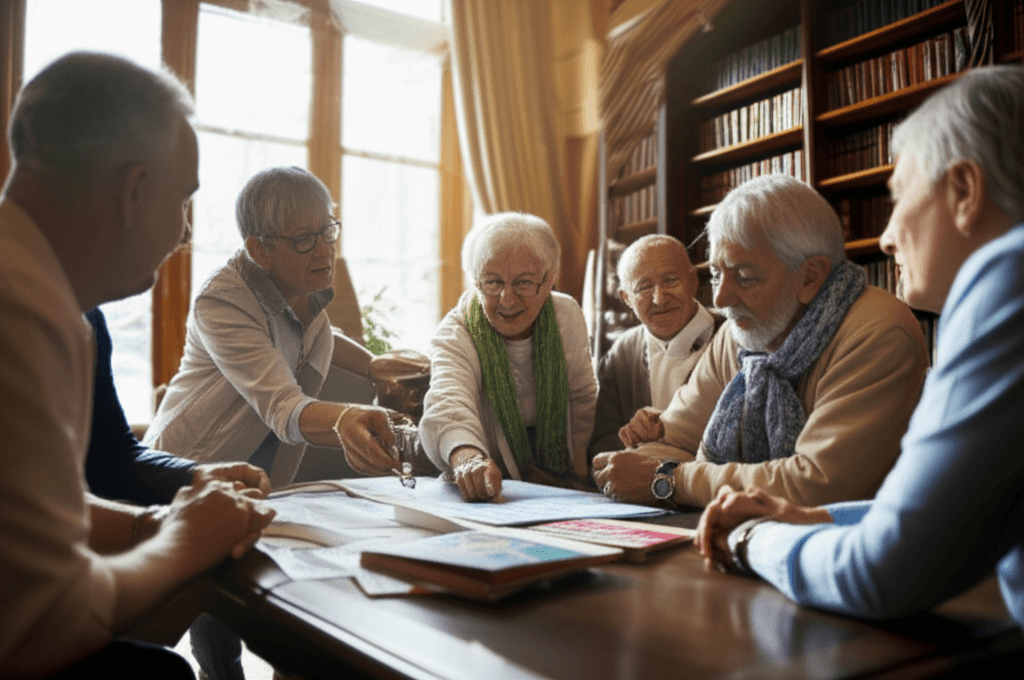
Traveling for older adults is a delightful experience and an effective way to remain active and connected. As more seniors choose trips for leisure, family visits, and small group adventures, it’s essential to prioritize safety while avoiding unnecessary worry over every plan. This article provides practical tips and real-life examples to assist older travelers in preparing confidently.
The tips that follow are practical and tested by people who travel often at later stages of life. You will find pre trip checklists packing suggestions transport advice and emergency planning that fit common situations. Expect straightforward checklists that you can adapt to short trips weekend escapes or longer stays.
Old News Club on Travel Safety for Seniors Today Key Considerations
When planning a trip it helps to think in categories that matter for older adults. Health needs mobility limits medication schedules and local medical resources are all in this mix. Add simple adjustments such as slower walking routes booking ground floor rooms or choosing mid day travel and you reduce many risks before you leave home.
Another priority is travel information. Confirming hours phone numbers and access to care at your destination saves time and stress. Keep a printed copy of essential contacts and a digital copy on a phone. If you carry a wearable device test any emergency features ahead of time. These small steps lower the chance of surprises while moving between places.
Pre Trip Health Preparation and Documentation
Good planning begins at home with a quick health review. Schedule a discussion with your doctor at least a month before travel to cover routine vaccines current prescriptions and any recent changes in health. Ask for extra prescription labels and a short note listing medical conditions in case you need care away from home.
Medication and records checklist
- Pack medicines in original labeled containers and add a few days extra supply in case of delays
- Make a printed list of medications including doses and prescribing doctor contact
- Carry critical medical documents such as allergy details and a brief summary of chronic conditions
Health insurance and care access
Confirm which facilities are covered by your insurance while you are away. If you are traveling across regions or countries ask your insurer what steps to take for emergency care. Having a local clinic name and a photo of your insurance card speeds intake at reception areas.
Packing Gear and Tools for Comfortable Travel
Packing for safety means balancing light luggage with items that reduce strain and risk. Choose footwear with good grip include a lightweight folding cane or walking stick if you use one and place frequently used items in an easy to reach carry on. A small first aid kit with plasters antiseptic wipes and a thermometer is useful for common minor issues.
Technology can be a practical aid. A simple mobile phone with large buttons or an easy setup smartphone with emergency contacts on speed dial can make a big difference. If you use a wearable alert device test connectivity before departure and bring backup chargers. Label devices with your name and a contact number in case they are lost.
Choosing Transportation and Accommodations with Senior Safety in Mind
Transportation and lodging choices shape the safety of a trip as much as health planning. When booking travel check mobility access boarding procedures and total walking distances at airports and stations. If driving plan stops every one to two hours to stretch and rest which reduces fatigue and lowers accident risk.
Hotel and rental considerations
- Request a ground floor room or one near an elevator if stairs are a challenge
- Confirm grab bars in bathrooms and non slip surfaces if you have balance concerns
- Ask for a clear room layout so you can place essentials within arm reach
Public transport tips
When using buses trains or ferries arrive early to find seating and board slowly. If you have mobility limitations ask staff for assistance when it is available. Carry a small folding seat cushion to ease long waits and reduce discomfort during transit.
On the Road Habits That Cut Risk and Increase Comfort
Once you start moving there are simple habits that protect health and reduce stress. Keep hydration high and limit heavy meals before travel days. Wear layers so you can manage changes in temperature. Take short walks every hour if possible which supports circulation and reduces stiffness.
Be mindful of fatigue. A single long day of sightseeing can lead to falls or missed medication. Break up activities and schedule quiet recovery time. That may mean choosing one major attraction and a few smaller activities rather than a packed itinerary.
Emergency Planning and Communication Strategies
Having a clear plan for emergencies makes response quick and effective. Share your itinerary with a trusted family member or friend and set regular check in times. Carry a card in your wallet with emergency contacts and a note about important medical details. A laminated version in the room or in your bag is waterproof and durable.
- Set up phone contacts with photos for quick recognition by helpers
- Identify the nearest clinic or hospital at each stop and save the location in your phone
- Learn a few key local phrases if you are traveling in an area where the language differs from your own
Local Awareness and Staying Safe in Different Settings
Local awareness means observing the environment for hazards and adapting your plans. If sidewalks are uneven choose streets with smoother paths. When visiting crowded markets pick less busy hours. At night stay in well lit areas and move with a companion whenever possible.
Be cautious with valuables and keep copies of identity documents separate from the originals. A money belt or a small locked pouch under clothing reduces the chance of theft. When in taxis verify the driver and route using an app or a signed receipt when possible which protects against wrong turns or extra charges.
Community Resources Recommendations and Reading
There are several places to find stories tips and product suggestions from travelers who are older adults. Community groups clubs and specialized blogs often post up to date tips and personal accounts that highlight practical solutions for common problems. For example a trusted site with articles on gear and senior friendly travel habits offers both historical context and current advice which can spark ideas for safe outings. Visit Old News Club to read features that combine classic gear suggestions with modern safety reminders.
Local senior centers and travel clubs also run group trips and workshops where you can test gear and meet companions. These groups provide peer reviews of accommodations and transport options which reduces guesswork and raises confidence in choices.
Conclusion and Next Steps to Travel Confidently
Travel at any age can be rewarding when you plan with a focus on health safety and clear communication. Begin with a doctor visit and a medication review then move to practical packing and travel choices that match your mobility and energy levels. Simple habits like frequent rest breaks staying hydrated and carrying clear emergency contacts reduce many of the common risks encountered on trips.
Use tools that fit your routine such as labeled medication packs a mobile phone with speed dial and a small first aid kit. Choose accommodations and transport that minimize heavy lifting and long walks when possible and ask staff about assistance if you need it. Keep a short checklist that you run through before every trip and add notes after each outing to record what worked well and what you would change.
If you want a next step pick one upcoming short trip and apply three changes from this article such as confirming medical access at your destination carrying extra medication and setting up a clear check in plan with a friend. Those three actions alone cut many common travel risks and make the outing more enjoyable. Take action today by making that call to your doctor and drafting a simple itinerary that includes emergency contacts. Safe travel starts with small choices that add up to a more relaxed and secure experience.