
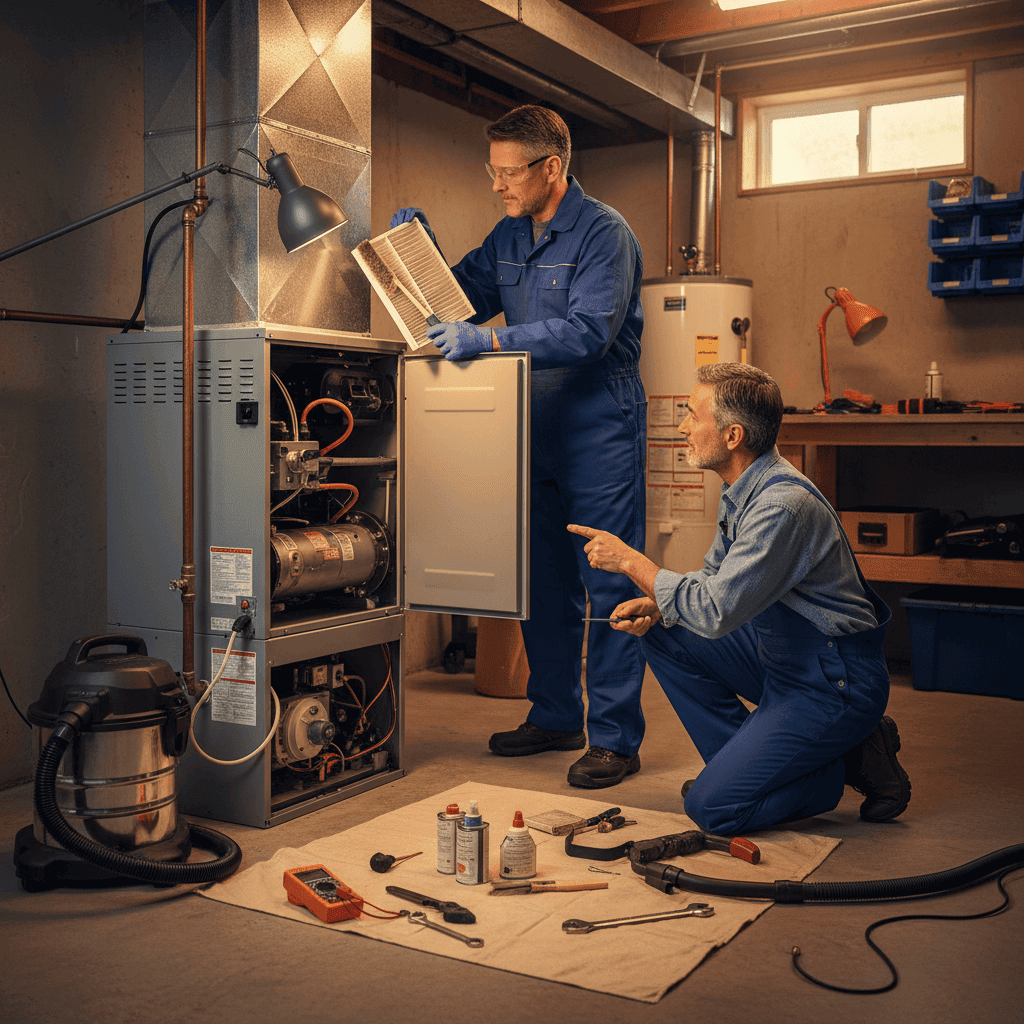
Routine heater maintenance works like a secret weapon to guard a big home investment and keep life flowing without hiccups. Simple regular checks and small fixes slice energy waste, stretch the heater’s lifespan, and dodge nasty surprises on chilly mornings. Homeowners who pick up a few handy tips grab the reins on how well their heater runs and how much it costs to use. Imagine saving money and staying warm without the stress—it’s all just a few steps away, making every cold day a little cozier and a lot less worrisome. Keep reading to discover the tricks that turn heater care into smart savings and peace of mind.
This article breaks down what to check weekly monthly and seasonally. It covers tasks you can handle safely, when a trained technician should take over, and how small habits prevent larger failures. Read on for clear actions to take and tips that save money and time.
Core Routine Heater Maintenance Tasks every homeowner should know
Start with a simple list of actions that matter most. These tasks are practical and low risk when you follow basic safety steps. Doing them regularly reduces wear and spots potential problems early.
- Inspect the area around the unit for leaks corrosion or moisture.
- Check the temperature setting on the thermostat and set it to 120 degrees Fahrenheit for a balance of comfort and safety.
- Test the pressure relief valve to confirm it operates smoothly and returns to a closed position.
- Look for signs of rust or pitting around fittings and the tank exterior.
- Listen for unusual noises such as banging popping or hissing that may point to sediment or combustion issues.
Monthly checks that prevent small issues from growing
Spending 10 to 20 minutes each month on the water heater avoids surprises and keeps performance steady. These checks take minimal tools and are a good companion to other home maintenance rounds.
- Visual inspection of pipes and valves for damp spots or mineral buildup.
- Confirm the thermostat dial is set correctly and has not been bumped.
- Examine the venting and combustion air openings on gas models to make sure they are clear.
- Note any changes in water temperature or pressure when fixtures are used.
How to test the temperature
Open a hot faucet and use a kitchen thermometer to check the output temperature. If it reads significantly above 120 degrees Fahrenheit lower the thermostat in small steps and recheck after a few hours.
What a minor leak can mean
A tiny drip at a fitting is easier to fix than a developing seam leak. Tighten loose connections and replace worn washers. If the tank itself shows seepage the unit may be at the end of its serviceable life.
Flushing and sediment removal explained
One of the most important Routine Heater Maintenance Tasks is flushing sediment that collects inside the tank. Sediment reduces efficiency triggers odd noises and can lead to early failure. The frequency depends on water hardness but an annual flush is a solid baseline.
- Turn off power or gas and let the water cool.
- Attach a garden hose to the drain valve and direct it to a safe drainage area.
- Open a hot faucet to allow air into the tank which eases draining.
- Open the drain valve and allow the tank to empty partially or fully depending on how much sediment appears.
- Close valves and refill the tank slowly to reduce air pockets before restoring power or gas.
In areas with very hard water consider a twice yearly flush or addition of a sediment filter at the incoming supply line. Filtering ahead of the heater reduces build up inside the tank and on heating elements.
Anode rod inspection and replacement schedule
The sacrificial anode rod slows internal corrosion and is often overlooked. Checking it every two to three years is a key Routine Heater Maintenance Task. Replace a rod that is mostly corroded or coated in calcium to protect the tank shell.
- Shut down power or gas and relieve pressure before removing the anode.
- Inspect the rod for heavy pitting or if it is less than half an inch thick in places.
- Replace with a rod made of compatible material such as magnesium or aluminum depending on manufacturer guidance.
Replacing the anode extends tank life and is usually less costly than replacing the entire heater.
Seasonal tasks to prepare for cold months and heavy use
Adjusting maintenance with the seasons keeps the unit ready for peak demand. Winter brings higher hot water use and higher risks from freezing for external pipes.
- Inspect and wrap exposed pipes during late fall to prevent freezing in cold climates.
- Test the pressure relief valve before the pause in warmer months and again before heavy winter use.
- Check venting and intake openings for nests debris or snow buildup before temperatures drop.
Preparing for winter
Drain and insulate lines that are at risk of freezing. For units in unheated spaces add extra insulation around the tank and maintain a minimum ambient temperature around the appliance.
Handling summer peak use
Summer may increase demand if multiple household members take long showers. A slightly higher temperature setting or staggering hot water use can maintain comfort. Monitor energy use readings to spot unusual consumption that could signal trouble.
DIY safety tips and tools you will need
Many Routine Heater Maintenance Tasks are safe for a homeowner when basic precautions are followed. Use the right tools and protect yourself from hot water or gas hazards.
- Essential tools include a garden hose adjustable wrench bucket and a thermometer.
- Wear gloves and eye protection when working with valves or flushing the tank.
- Always shut off power at the breaker for electric units and turn off the gas supply for gas models before starting.
- If you smell gas or see a major leak evacuate the area and call a licensed technician immediately.
Signs your heater needs professional attention and when to call
Certain symptoms indicate professional diagnosis and repairs are needed. Address these quickly to avoid water damage safety hazards and costly replacements.
- Continuous leaks from the tank or fittings.
- Persistent inability to hold temperature or very slow recovery after heavy use.
- Corrosion visible on the tank surface or around fittings.
- Strong sulfur or rotten egg smell from the hot water supply which may indicate bacterial growth.
For tasks that require parts replacement complex combustion checks or gas line work hire a licensed plumber. For customers in the Fort Worth area a local company offers targeted water heater maintenance services that include inspections anode rod replacement and safe gas testing.
Cost benefits and realistic life expectancy gains
Regular Routine Heater Maintenance Tasks reduce the chance of sudden failure and often add several years to the unit lifespan. A well maintained tank style heater commonly reaches 10 to 15 years compared with 6 to 8 years for a poorly maintained unit. Simple preventative steps cost a fraction of the price of replacement.
- Annual flush and minor valve repairs typically cost under $100 if handled by a homeowner.
- Professional checkups once every one to two years cost more but catch issues that are easy to miss.
- Replacing an anode rod is a low cost intervention that can delay full tank replacement by years.
Tracking basic metrics helps quantify savings. Note energy bills before and after a maintenance round and compare hot water temperature recovery times. Subtle declines often signal a need for cleaning or part replacement and give you time to plan.
Conclusion: Routine Heater Maintenance Tasks are practical steps that protect comfort and financial outlay. Regular inspections monthly checks seasonal preparation anode rod attention and tank flushing form the backbone of good care. Learning these procedures and following a simple calendar of actions prevents small issues from becoming emergencies and gives the household reliable hot water with lower operating cost.
Make a habit of checking the unit at least every month and schedule more thorough work annually. When you notice the warning signs listed above reach out to a qualified technician rather than delaying. A proactive approach saves money and time and keeps the risk of water damage low. If you want professional help schedule a service visit or request a detailed inspection. Taking those steps keeps the system running longer and gives you predictable performance. Call or book online today to protect this important home asset and keep hot water available when you need it.