
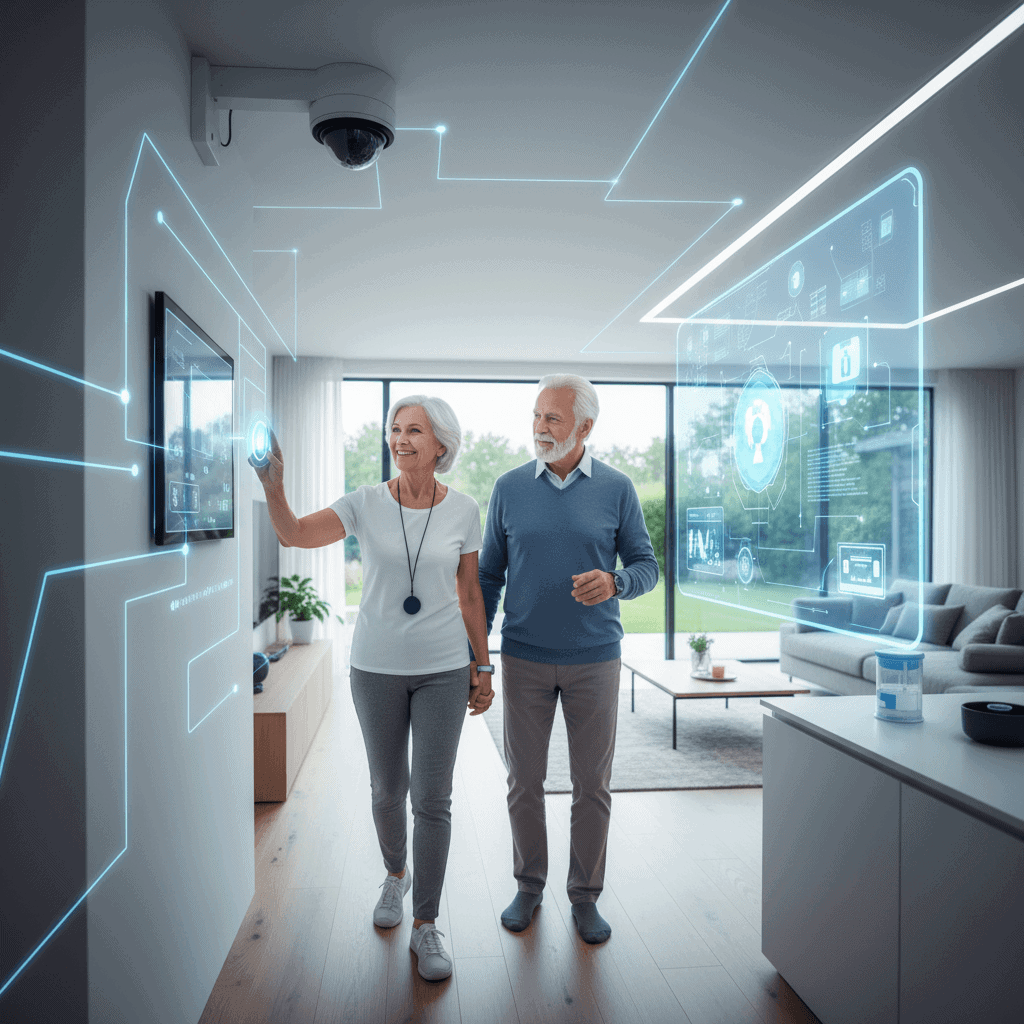
Ensuring the well-being of our senior loved ones is a top priority for many families. I often think about how important it is to provide a safe and secure environment for them. Life changes as we age and so do our needs, so finding the right support systems becomes essential. This means looking closely at what senior safety systems offer.
My goal is to help you understand the options available so you can make informed decisions. I believe that choosing the right safety solution can bring immense peace of mind to everyone involved. We want to empower seniors to maintain their independence while staying safe in their homes and communities.
We will discuss various aspects of these systems, from understanding their core functions to practical tips for implementation. This article aims to help you navigate senior safety systems with confidence, making sure your loved ones receive the best possible care and protection.
Understanding the Landscape of Senior Safety Systems
I have spent time researching and observing the world of senior care, and one area that truly stands out is personal safety technology. These systems are designed to provide assistance and monitoring for older adults. They range from simple medical alert buttons to complex smart home setups. Their main purpose is to prevent accidents and to ensure a quick response when emergencies happen.
For many seniors, staying in their own home is deeply important. Safety systems make this possible by offering a layer of protection that was not available years ago. They can detect falls, call for help, and even monitor vital signs. This technology helps to bridge the gap between a senior living alone and having immediate assistance on hand. It removes some of the worry that families often carry.
The field of senior safety systems is always growing. I have seen it move from basic landline-based devices to mobile units with GPS tracking. Some systems focus on medical emergencies, sending alerts when a fall occurs or a button is pressed. Other systems offer broader home monitoring, checking on things like stove usage or door activity. There are solutions for almost every need and lifestyle today.
Different Categories of Safety Solutions
When I think about these systems, I generally sort them into a few key categories. There are personal emergency response systems or PERS devices. These are usually wearable buttons that connect to a monitoring center. Then we have fall detection systems, which are often built into PERS devices or worn as smartwatches. These use sensors to identify when someone has fallen and automatically call for help.
Another category includes mobile personal emergency response systems or mPERS. These offer safety features outside the home because they use cellular technology and GPS. Finally, some integrated smart home systems can include safety features like door sensors, motion detectors, and even smart lighting. Each category has its own strengths and is best suited for different situations. I find that understanding these distinctions helps families narrow down their choices.
Core Components of a Reliable Senior Safety System
When I look at what makes a senior safety system truly reliable, I see several core components that stand out. Medical alert devices are perhaps the most recognized. These are typically small, wearable buttons, often worn as a necklace or wristband. Pushing this button connects the user to a monitoring center, where trained operators can assess the situation and dispatch help. I believe the simplicity of these devices is a huge benefit because seniors can use them easily during stressful times.
Fall detection is another crucial feature. Many seniors fear falling, and for good reason. A fall can lead to serious injuries and a loss of independence. Modern fall detection technology uses accelerometers and gyroscopes to sense sudden changes in motion consistent with a fall. It automatically alerts the monitoring center without the user needing to press a button. This is especially valuable if a senior loses consciousness or cannot reach their button after a fall. I have seen how this feature can be a true lifesaver.
GPS tracking is becoming more common, especially for seniors who are active outside their home or who might wander due to cognitive conditions. This technology is often found in mobile medical alert devices. It allows caregivers or emergency services to locate the senior quickly if they become lost or disoriented. Knowing that a loved one can be located, even if they are not at home, adds a significant layer of security.
Emergency Response Options
Beyond the devices themselves, the emergency response system behind them is very important. Most professional monitoring services operate 24 hours a day, 7 days a week. When an alert comes in, an operator speaks with the senior through the device. They then contact emergency services or a pre-selected list of family members or friends. This human element is something I value highly because it provides a calm and reassuring voice during an emergency.
Some systems allow for direct connection to family contacts without going through a monitoring center. This might be suitable for seniors with a robust local support network. However, for true peace of mind, especially during off-hours or if family members are not immediately available, professional monitoring offers a higher level of assurance. I think about the many times a quick response can make all the difference, and that is where these systems truly shine.
Assessing Individual Needs and Lifestyle
I always emphasize that there is no one-size-fits-all solution when it comes to senior safety systems. The best system is the one that perfectly matches the individual’s needs and lifestyle. I start by considering the senior’s mobility levels. Is the person mostly sedentary, or do they move around actively both inside and outside the home? Someone with limited mobility might benefit most from a system with excellent in-home coverage and perhaps a waterproof button for the shower. An active senior, on the other hand, would need a mobile device with GPS capabilities.
Cognitive health is another critical factor. A senior with early-stage dementia might benefit from passive monitoring systems that do not require much interaction. These could include motion sensors that detect unusual patterns or door alarms that alert caregivers if a senior leaves the house at an odd hour. For those with sharp minds, a traditional medical alert button might be enough. It is important to choose a system that the senior can understand and use comfortably, without causing confusion or frustration.
The home environment also plays a role in system selection. Does the senior live in a small apartment or a large house with multiple floors? This affects the range of in-home devices. Is there reliable internet and cellular service in their area? This impacts connectivity options. Considering these practical details ensures the chosen system will work effectively where it is needed most. I find that a thorough assessment up front saves a lot of trouble later on.
Considering Personal Preferences
Beyond practical needs, personal preferences matter a great deal. Some seniors are happy to wear a visible pendant or wristband, while others might prefer something more discreet. Wearable devices, whether they are simple buttons or smartwatches with fall detection, are great because they are always with the person. However, some seniors find them cumbersome or simply forget to wear them. In such cases, passive systems that operate in the background might be a better fit.
Ease of use is paramount. A system that is complicated to operate or has too many confusing features will likely go unused. I always recommend systems with clear buttons, audible alerts, and simple instructions. We want the senior to feel comfortable and confident using their safety device, especially in an emergency. The system should feel like a supportive helper, not a burden. Taking the time to involve the senior in the decision-making process helps ensure they will adopt and use the system successfully.
Technical Considerations and Connectivity
I have observed that the technical aspects of senior safety systems can feel daunting to many families. One of the primary decisions revolves around connectivity. Will the system use a landline or cellular service? Landline-based systems connect through the existing phone line in the home. These are often reliable but can be limited to the house itself. Many homes today do not even have landlines anymore, which makes cellular options more relevant. Cellular systems work like a mobile phone, using a cellular network to transmit signals. This offers greater flexibility and allows for mobile devices that can be used anywhere there is cell service. I usually lean towards cellular systems for their versatility.
Battery life is another critical technical consideration, especially for mobile or wearable devices. A medical alert pendant that runs out of battery often is not a reliable safety tool. I advise looking for devices with long battery lives and clear indicators when charging is needed. Some devices offer extended battery life lasting several days. Others might require daily charging, which could be a concern for some seniors. Understanding the charging routine and ensuring it fits into the senior’s daily habits is important.
The range and coverage of the system are also essential. For in-home systems, this refers to how far the pendant can be from the base unit and still work. This is crucial for larger homes or properties with detached garages or yards. Mobile systems rely on cellular network coverage. I always recommend checking the service provider’s coverage map in the senior’s specific area to ensure there are no dead zones. It does no good to have a mobile device if it cannot connect when needed. These technical details directly impact the system’s effectiveness and reliability.
Cost Investment and Long-Term Value
I know that cost is always a significant factor when considering any new service or product. Senior safety systems are no different. It is important to understand the financial commitment involved. Most systems operate on a subscription model, where you pay a monthly fee for monitoring services. These fees can vary widely based on the features included, such as fall detection, GPS tracking, or medication reminders. I have seen basic plans start at around $20 per month and go up to $60 or more for premium services.
In addition to monthly fees, there are often equipment costs. Some companies include the equipment in the subscription fee, effectively leasing it to you. Others require an upfront purchase of the device. This upfront cost can range from $0 to several hundred dollars, depending on the complexity of the device. I always recommend asking about equipment fees clearly before signing up. Sometimes, a higher upfront cost can lead to lower monthly fees over time, or vice versa. It is about finding the balance that works best for your budget.
It is also wise to watch out for hidden fees. These might include activation fees, installation charges, or cancellation penalties. I always tell families to read the fine print and ask direct questions about all potential costs. Some companies offer discounts for annual payments or for AARP members. Thinking about the long-term value, rather than just the initial price, gives a clearer picture. A slightly more expensive system with better features or more reliable service could be a worthwhile investment for a loved one’s safety and your peace of mind.
Implementing and Testing Your Chosen System
After all the research and decision-making, setting up a senior safety system properly is the next critical step. I often stress that proper installation and thorough testing are not just formalities. They are key to making sure the system works when it is needed most. Many systems come with simple plug-and-play setups that you can do yourself. Some, however, might benefit from professional installation, especially if they involve multiple sensors around the home. I recommend following the manufacturer’s instructions very carefully. Placing the base unit in a central location and ensuring all peripherals like fall detection devices are properly charged and paired is important.
Regular testing of the system is absolutely vital. I suggest setting up a schedule for weekly or monthly tests. This involves pressing the medical alert button to ensure it connects to the monitoring center. During these tests, you can speak with the operator to confirm that they received the signal and that the audio is clear. This also gives the senior a chance to practice using the system in a low-stress environment. It helps them become familiar with the process so they will know exactly what to do during a real emergency. This practice builds confidence for both the senior and their caregivers. For more information on what makes a good safety system, you can view details here.
Training the senior and any family caregivers on how to use the system is also a step I cannot overstate. Make sure everyone understands how the system works, what to do in case of an alert, and who gets notified. If the system includes features like GPS tracking, teach caregivers how to access that information. This comprehensive approach to implementation and testing ensures that the investment in a senior safety system translates into actual security and quick response capabilities. It helps everyone feel more prepared and less anxious.
Staying Updated with Evolving Safety Technologies
The world of technology moves at a very fast pace and senior safety systems are no exception. I always advise families to stay aware of new developments and features. What might have been cutting-edge a few years ago might have even better alternatives today. New fall detection algorithms are constantly being refined. Wearable devices are becoming smaller and more stylish. Staying informed means you can ensure your loved one benefits from the best possible protection.
Smart home integration is a growing trend that I find particularly interesting. Safety systems are starting to connect with other smart devices in the home. Imagine lights turning on automatically if a fall is detected, or doors locking at certain times. These integrations can create a more seamless and comprehensive safety net for seniors. Voice-activated assistants are also being used to initiate calls for help or to set reminders for medication. This connectivity adds convenience and an extra layer of security.
Future-proofing your system is also something to consider. While you do not need to upgrade every year, choosing a system from a company with a good track record of innovation is smart. Ask about potential upgrades or new features on the horizon. A system that can adapt and evolve with new technology will serve your loved one better in the long run. I believe that an adaptable system offers more enduring peace of mind.
Final Thoughts on Senior Safety and Peace of Mind
Navigating the various options for senior safety systems can seem complex at first. However, I hope this guide helps clarify the landscape and empowers you to make thoughtful decisions. My experience tells me that choosing the right system is a significant step toward ensuring the well-being and independence of our aging family members. It is not just about the technology itself. It is about the peace of mind it brings to seniors, knowing help is always just a button press away, and to families, knowing their loved ones are protected.
We discussed understanding the types of systems available and the core features like medical alerts, fall detection, and GPS. We also covered the importance of matching the system to individual needs and lifestyle, and considering technical details like connectivity and battery life. Remember that the financial aspect is also important so evaluate equipment and subscription costs carefully. The key is to choose a system that fits the senior’s unique situation, providing comfort and security without being overly complicated. I truly believe that investing time into this decision pays off immensely in the long run.
I encourage you to take these insights and apply them to your own family’s situation. Start by having open conversations with your senior loved ones about their concerns and preferences. Research different providers and ask plenty of questions. Make sure to test the chosen system regularly. By being proactive and informed, you can effectively navigate senior safety systems with confidence and ensure a safer, happier future for everyone involved. Your diligence in this area truly makes a difference in their quality of life.